Is Online Gambling Legal in Singapore? (2026 Regulatory Update)

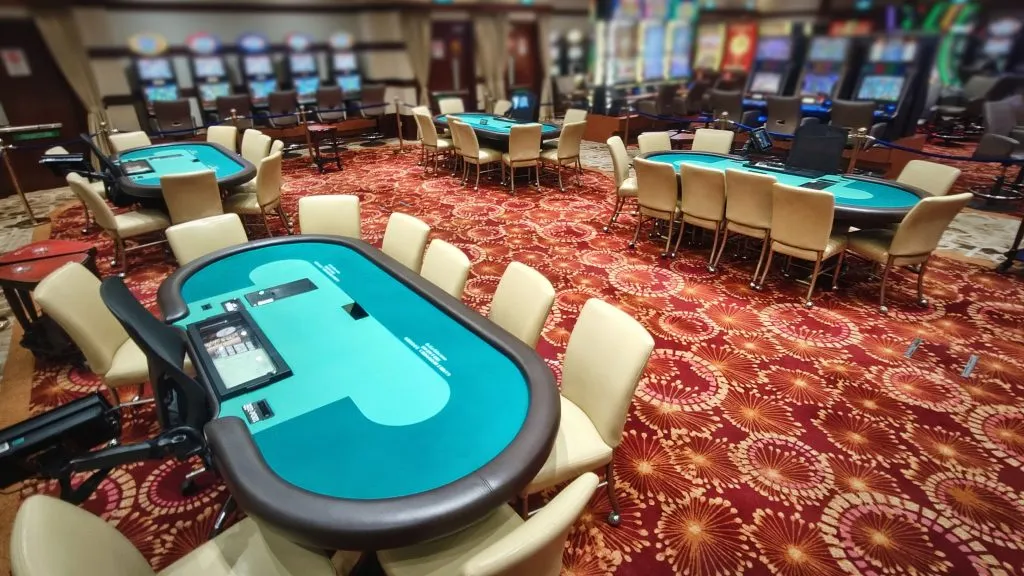
| In Singapore, the default legal position is that all forms of online gambling are illegal unless specifically licensed by the Gambling Regulatory Authority (GRA) or exempted under the Gambling Control Act 2022 (GCA). As of 2026, Singapore Pools (Private) Limited is the only operator licensed to provide legal remote gambling services — covering online 4D, TOTO, sports betting, and the Singapore Sweep. All other online gambling platforms, including offshore sites that target Singapore residents, are unlawful. |
Here is the question that hundreds of thousands of Singapore residents type into Google every year: is online gambling actually legal in Singapore, or have I been assuming it’s fine because my friends do it?
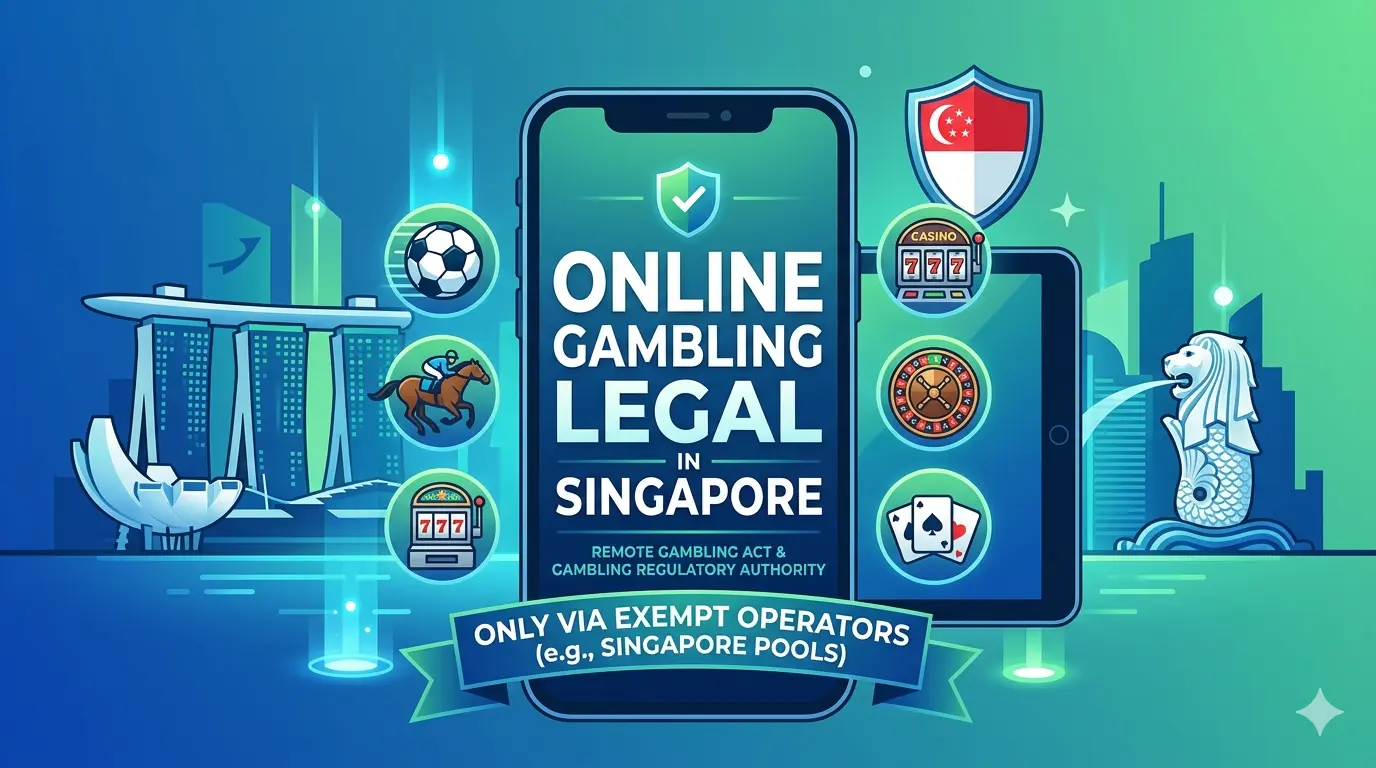
The uncomfortable truth is that Singapore operates one of the strictest gambling regulatory regimes in the world — and the law does not distinguish between a casual punter and a professional offshore bettor when it comes to consequences. With fines reaching $10,000 and potential imprisonment for players, and the Gambling Control Act 2022 (GCA) now governing every form of wagering from lottery tickets to NFT-based prizes, getting this wrong is genuinely costly.
This 2026 update reflects the latest developments: the Singapore Police Force’s expanded enforcement role from January 2025, upcoming blind box and trading card regulations expected in mid-2026, and how the GRA’s AI-powered oversight framework is reshaping compliance. Whether you’re a resident, a traveller, or an operator considering the Singapore market, here is the definitive answer.
Overview of Gambling Laws in Singapore: The Gambling Control Act 2022
| Is online gambling legal in Singapore? Under the Gambling Control Act 2022 (GCA), all gambling in Singapore is illegal by default unless specifically licensed by the Gambling Regulatory Authority (GRA) or exempted by law. The GCA consolidated all previous gambling legislation — including the Remote Gambling Act 2014 and the Betting Act — into a single unified, technology-neutral framework. Singapore Pools (Private) Limited is the only entity licensed to provide remote gambling services as of 2026. |
The Gambling Control Act 2022 represents the most significant overhaul of Singapore’s gambling legislation in decades. Before its enactment, gambling in Singapore was governed by a patchwork of separate statutes: the Betting Act, the Common Gaming Houses Act, the Remote Gambling Act 2014, and others. The GCA replaced this fragmented framework with a single unified law that covers all gambling activities — in-person, online, and remote — regardless of the technology used to deliver them.
Technology Neutrality: Covering NFTs, Digital Assets, and Virtual Items
A critically important feature of the GCA is its technology-neutral design. The law does not define gambling by its delivery mechanism — meaning it applies equally to a traditional betting shop, a mobile app, a blockchain-based casino, and any platform offering prizes for game outcomes. Crucially, Singapore law defines a ‘thing of value’ broadly: it includes not just fiat currency but also digital assets, NFTs, and virtual items. If an activity involves wagering for any such prize, it falls within the GCA’s scope.
The Repeal and Consolidation of the Remote Gambling Act 2014
The Remote Gambling Act 2014 — which previously governed all forms of online and telephone betting — was repealed and fully absorbed into the GCA 2022. This is not merely a technical consolidation. The integration gives the Gambling Regulatory Authority (GRA) broader jurisdiction and the agility to respond rapidly to emerging digital gambling products and ‘gambling-adjacent’ platforms — without requiring new primary legislation each time a new technology appears.
Legal Gambling Platforms in Singapore
The question of whether online gambling is legal in Singapore has a precise answer: legal remote gambling is restricted to a single licensed operator and two licensed physical casinos.
Singapore Pools: The Sole Licensed Remote Operator
Singapore Pools (Private) Limited holds the only licence granted by the GRA to provide remote gambling services in Singapore. This means it is the only legal online platform for residents to place real-money bets. Licensed products include:
• 4D: Draw-based lottery available online and at authorised retail outlets.
• TOTO: Singapore’s national lottery, offered online via the official Singapore Pools website.
• Singapore Sweep: Monthly sweep lottery with online participation available.
• Sports Betting: Association football (soccer) and motor racing betting — Singapore Pools is the only legal bookmaker for these sports in Singapore.
Any website, app, or service offering the same products without a GRA licence is operating illegally — and using it exposes players to criminal penalties.
Licensed Casino Operators: Resorts World Sentosa and Marina Bay Sands
Singapore permits exactly two licensed casino operators under the Casino Control Act (CCA): Resorts World Sentosa (RWS) and Marina Bay Sands (MBS). Both operate under strict social safeguards. Singapore Citizens (SCs) and Permanent Residents (SCPRs) are required to pay a $150 daily levy or a $3,000 annual levy to enter the casino floor — a deliberate deterrent against habitual gambling.
Importantly, neither casino offers legal online gambling to players in Singapore. Their physical premises are licensed; online equivalents are not. Casino visits by Singapore residents decreased to 2.8% of the resident population in 2024, reflecting the success of levy-based deterrence.
Social Gambling: Legal Under Strict Conditions
Not all private gambling is illegal. The GCA provides a social gambling exemption under Section 12 for gambling conducted in a person’s home, provided three conditions are met simultaneously:
• The gambling occurs in a private dwelling (a person’s home).
• It is conducted on a non-commercial basis — no one profits from operating the game.
• All participants have a genuine pre-existing social relationship with each other.
A friendly poker game between colleagues at someone’s apartment would generally qualify. A ‘home game’ advertised online to strangers with a house fee would not. The distinction is non-commercial, genuinely private, and socially connected.
Illegal Online Gambling Activities in 2026
Offshore Sites Targeting Singapore Residents
It is unlawful for any person in Singapore to participate in remote gambling services provided by any operator other than Singapore Pools. This applies whether the site is based in Malta, Curaçao, the UK, or anywhere else globally. Using an offshore online casino, poker site, or sports betting platform that targets Singapore residents is a criminal offence under the GCA — regardless of whether that site is technically accessible or whether the operator is licensed in its home jurisdiction.
Extraterritorial Effect of Singapore’s Gambling Laws
One of the GCA’s most significant provisions is its extraterritorial reach. The law applies not only to persons physically in Singapore, but also to offshore operators and even influencers and affiliates who market gambling services to people situated in Singapore. A YouTube creator based in London who promotes an online casino to a Singapore audience can be held liable under the GCA. Singapore’s courts have jurisdiction over such conduct.
Mystery Boxes and Gambling-Adjacent Products
Mystery boxes — products where the buyer pays a fixed price for an unknown item of variable value — are generally disallowed under Singapore law as they are considered a form of public lottery under the GCA. This classification applies to both physical and digital mystery box formats.
Penalties for Illegal Gambling in Singapore (2026)
Singapore’s penalties for unlawful gambling are among the most severe in the Asia-Pacific region. They apply to both players and operators.
| Party | Offence | Maximum Penalty |
| Player / Participant | Using an unlicensed remote gambling service | Fine up to $10,000 and/or 6 months imprisonment |
| Operator (First Offence) | Providing unlicensed remote gambling services | Fine up to $500,000 and/or 7 years imprisonment |
| Operator (Repeat Offence) | Subsequent unlicensed operation | Fine up to $700,000 and/or 10 years imprisonment |
| Affiliate / Promoter | Marketing unlicensed gambling to persons in Singapore | Liable under extraterritorial provisions of GCA |
| Payment Provider / Host | Facilitating transactions for unlawful gambling | Intermediary liability under GCA enforcement powers |
These penalties reflect Singapore’s policy of deterrence through accountability at every level of the gambling supply chain — not just the end user.
Government Regulation and Enforcement Methods
SPF Enforcement: The January 2025 Transfer of Powers
A significant enforcement change took effect on January 1, 2025: responsibility for blocking access to unlawful remote gambling websites and payment transactions transferred from the GRA to the Singapore Police Force (SPF)). This shift reflects the government’s view that illegal online gambling is a criminal enforcement matter, not merely a regulatory compliance issue.
Residents who encounter suspected illegal gambling sites can report them directly to the SPF via theI-Witness portal at spf.gov.sg. The SPF works alongside internet service providers and financial institutions to block both site access and payment processing for unlawful gambling services.
The Gambling Regulatory Authority (GRA): Singapore’s Central Regulator
The Gambling Regulatory Authority (GRA) was established under the Gambling Regulatory Authority of Singapore Act 2022 as the single unified regulator for all gambling activities in Singapore. Prior to the GCA, regulatory responsibilities were split across multiple agencies. The GRA consolidates licensing, compliance monitoring, enforcement, and harm prevention under one body.
The GRA’s 2030 strategic roadmap focuses on AI-integrated, data-driven oversight — using behavioral analytics and machine learning to identify ‘at-risk’ players on licensed platforms and trigger proactive harm-prevention interventions before significant harm occurs. Problem gambling rates in Singapore remain stable at 1.1% of the resident population, a figure the GRA aims to reduce further through predictive intervention.
Intermediary Liability: Payment Providers and Platform Hosts
The GCA gives enforcement authorities the power to act against payment service providers, financial institutions, and platform hosting services that knowingly facilitate unlawful gambling transactions or host illegal gambling content. This intermediary liability framework means that simply providing infrastructure to an unlicensed gambling operator creates legal exposure — a significant deterrent for legitimate technology and financial services businesses.
Changes in Gambling Laws: 2026 Updates
Blind Box and Trading Card Pack Regulations (Mid-2026)
One of the most widely anticipated regulatory developments in Singapore’s gambling landscape concerns blind boxes and trading card packs — products where consumers pay a fixed price to receive a randomly selected item of unknown value. These products occupy a grey area between retail and gambling, and their popularity has grown significantly among younger demographics.
The Ministry of Home Affairs (MHA) has confirmed that specific regulations for blind boxes and trading card packs will be unveiled in mid-2026. These rules are expected to include:
• Age-based restrictions: limiting the sale of certain blind box categories to adults.
• Mandatory probability disclosures: requiring sellers to publish the exact odds of receiving specific items.
• Spending limits: for high-value or high-frequency blind box platforms.
• Enforcement against gambling-inducement marketing: targeting promotions designed to encourage repetitive purchasing behavior.
Operators selling blind boxes or similar products in Singapore should anticipate compliance requirements and begin auditing their product structures against the expected regulatory framework before mid-2026.
Casino Control (Amendment) Act: October 2024 Commencement
Amendments to the Casino Control Act were partially commenced in October 2024, introducing tighter regulation of casino licensees and enhanced protections for vulnerable groups. Key areas of change include:
• Strengthened suitability assessments: for casino operators and key personnel under Section 55 of the GCA.
• Enhanced due diligence: for high-value players and politically exposed persons (PEPs).
• Greater operator accountability: for the identification and management of problem gamblers on their premises.
GRA 2030 Roadmap: AI-Driven Harm Prevention
The GRA’s medium-term strategic plan, the GRA 2030 Roadmap, outlines a shift from reactive compliance monitoring to proactive, AI-powered harm detection. This includes deploying behavioral analytics on Singapore Pools’ digital platform to identify betting patterns associated with problem gambling, and using data from licensed operators’ player monitoring systems to trigger outreach interventions. Operators seeking any future Singapore licence should expect AI-compatible compliance reporting requirements as part of the licensing framework.
Legal vs. Unlawful Gambling in Singapore: 2026 Summary
| Activity | Legal Status | Penalties / Notes |
| Singapore Pools online (4D, TOTO, sports betting) | LEGAL — Only licensed operator | No penalty. Use official Singapore Pools website only. |
| Social gambling at home (non-commercial) | LEGAL — GCA exemption applies | Must be private dwelling, non-commercial, pre-existing social group. |
| Resorts World Sentosa / Marina Bay Sands (in-person) | LEGAL — Licensed casinos | $150 daily or $3,000 annual levy for SC/SCPRs. |
| Offshore online betting / casino sites | ILLEGAL under GCA | Fine up to $10,000 and/or 6 months imprisonment for players. |
| Mystery boxes (random-value prize products) | DISALLOWED as public lottery | Regulated as gambling; unlicensed operation is illegal. |
| Blind boxes and trading card packs | REGULATED from mid-2026 | New specific rules expected mid-2026; compliance required. |
| Promoting offshore gambling sites to SG residents | ILLEGAL under extraterritorial GCA provisions | Operators and affiliates liable regardless of their location. |
Tips for Safe and Legal Gambling in Singapore
For residents who wish to gamble legally and responsibly in Singapore, the following guidance applies:
• Use only Singapore Pools: Verify you are on the official Singapore Pools website before placing any online bet. The URL is singaporepools.com.sg — bookmark it and avoid any third-party lookalike sites.
• Understand the social gambling criteria: If gambling at home with friends, ensure the game is genuinely non-commercial and restricted to people you have a pre-existing relationship with. Charging a ‘hosting fee’ or admitting strangers makes it illegal.
• Use NCPG self-exclusion tools: The National Council on Problem Gambling (NCPG) provides self-exclusion programmes for all licensed gambling venues and Singapore Pools online services. Self-exclusion prevents entry to both physical casinos and online account access.
• Set and respect spending limits: Singapore Pools allows account-level deposit limits. Set these proactively — not reactively — and treat gambling as entertainment with a fixed budget, not as a potential income stream.
• Report illegal sites to the SPF: If you encounter a website or app appearing to offer illegal gambling services targeting Singapore residents, report it via the SPF’s I-Witness portal. Anonymous reporting is available.
For responsible gambling support, information, and self-exclusion registration, visit the National Council on Problem Gambling (NCPG).
Frequently Asked Questions
1. Is Singapore Pools the only legal online gambling site in Singapore?
Yes. Singapore Pools (Private) Limited is the only operator licensed by the Gambling Regulatory Authority (GRA) to provide remote gambling services to persons in Singapore. It is the exclusive legal platform for online 4D, TOTO, Singapore Sweep, and sports betting on association football and motor racing. Any other website or app offering online gambling to Singapore residents — regardless of where it is based or licensed — is operating unlawfully under the Gambling Control Act 2022.
2. What are the penalties for using illegal offshore gambling sites in Singapore?
Players caught using unlicensed remote gambling services face a fine of up to $10,000 and/or 6 months imprisonment under the GCA. Operators of unlicensed gambling services face fines of up to $500,000 and 7 years imprisonment for first offences, rising to $700,000 and 10 years imprisonment for repeat offences. Affiliates and promoters who market illegal gambling services to persons in Singapore are also liable under the GCA’s extraterritorial provisions.
3. Is it legal to play poker with friends at home in Singapore?
Yes — under specific conditions. The GCA’s social gambling exemption permits gambling in a private dwelling provided: (1) the activity is conducted in someone’s home; (2) it is entirely non-commercial — no person profits from running the game; and (3) all participants have a genuine, pre-existing social relationship. A friendly poker game between close friends at a private home satisfies these criteria. Charging a hosting fee, advertising to strangers, or running the game on a recurring commercial basis would remove the exemption.
4. Are blind boxes and trading card packs regulated as gambling in Singapore?
Blind boxes occupy a grey area that Singapore’s regulators are actively addressing. Mystery boxes — where a fixed payment yields an item of unpredictable cash value — are generally treated as a form of public lottery and are disallowed under the GCA unless specifically licensed. Blind boxes and trading card packs — typically involving physical toys or collectibles — are subject to new specific regulations expected in mid-2026 from the Ministry of Home Affairs, which are anticipated to include mandatory probability disclosures and age restrictions.
5. How does the Singapore government block illegal gambling sites?
Suggested Internal Link Topics
Since January 1, 2025, the Singapore Police Force (SPF) — rather than the GRA — is responsible for blocking access to unlawful remote gambling websites and related payment transactions. The SPF works with internet service providers to apply URL-level blocks and with financial institutions to block payment processing for identified illegal platforms. Residents can report suspected illegal gambling sites via the SPF’s I-Witness online portal atspf.gov.sg. Additionally, refer to theGambling Control Act 2022 at Singapore Statutes Online for the full legislative text.
Build comprehensive topical authority across Singapore gambling law with these related content pieces:
• Social Gambling Laws in Singapore: Detailed criteria for the GCA home exemption and what makes a private game legal.
• How to Apply for NCPG Self-Exclusion: Step-by-step guide to excluding from Singapore Pools and both licensed casinos.
• Casino Control Amendment Act Explained: What the October 2024 amendments mean for casino operators and Singapore residents.
• What Counts as a ‘Thing of Value’ Under Singapore’s GCA?: NFTs, digital assets, virtual items, and gaming prizes under the GCA definition.
• Blind Box Regulations 2026: What Retailers Need to Know: Pre-compliance guide to the upcoming MHA blind box and trading card pack rules.
• GRA 2030 Roadmap: AI in Gambling Regulation: How Singapore’s regulator is using behavioral analytics to detect at-risk gambling.
• Singapore Pools vs. Offshore Sites: Legal Comparison: Why offshore platforms remain illegal regardless of their home jurisdiction licensing.
Conclusion
The answer to ‘is online gambling legal in Singapore?’ is clear, but nuanced: it is legal only within the strict boundaries the government has defined — Singapore Pools for remote wagering, two licensed casinos for in-person play, and non-commercial social gambling among genuine acquaintances at a private home. Everything outside these boundaries is illegal and carries real criminal penalties.
2026 marks an important year for Singapore’s gambling regulatory landscape. The SPF’s expanded enforcement role, the Casino Control (Amendment) Act provisions, and the anticipated blind box regulations in mid-2026 all signal that Singapore’s government is tightening, not loosening, its framework. The GRA’s AI-driven 2030 roadmap shows that regulatory oversight will only become more sophisticated over time.
For residents, the practical guidance is simple: use Singapore Pools for any online gambling, stay within the social gambling exemption’s strict criteria for home games, and report any suspected illegal platforms to the SPF. For businesses operating in adjacent product categories — blind boxes, trading card games, or digital prize mechanics — the mid-2026 regulatory release should be treated as a compliance deadline, not a surprise.
For official information on Singapore’s gambling laws and self-exclusion services, visit theGambling Regulatory Authority at gra.gov.sg and the National Council on Problem Gambling at ncpg.org.sg.
Related Posts


Related Posts
Understanding the legal landscape is step one. Step two is choosing a platform that minimises your risk. Our experts have verified each casino on our best online casino Singapore 2026 list for licence quality, fast PayNow withdrawals, and fair bonus terms.
📝 Editorial transparency: Tested using our published Singapore operator methodology — our seven-stage evaluation framework with documented test methodology, refresh cadence, and named accountability. Read: How We Test Singapore Online Casinos →






 Malaysia Casino Review4 years ago
12Play Casino Review Malaysia 2026 | Get Casino Bonus | SafeGaming
- Singapore Casino Review4 years ago
12Play Review Casino Singapore 2026 | SafeGaming
- Malaysia Casino Review4 years ago
WinClub88 Malaysia 2026: Login Guide, Bonus & Safety
- Malaysia9 months ago
Best Online Casinos in Malaysia 2026 for Real Money
- Singapore Casino Review4 years ago
BK8 Casino Review Singapore 2026 | SafeGaming
- Singapore Casino Review4 years ago
MYBET88 Casino Singapore Review 2026 | SafeGaming
- Singapore Casino Review4 years ago
Maxim88 Casino Review 2026 | Online Casino Singapore
- Malaysia Casino Review4 years ago
QQClubs Casino Review Malaysia 2026 | SafeGaming