
Philippine Law Firm Urges Online Gaming Statute
Arden Consult says Philippine online gaming reforms rest on regulator rules and can be reversed, and urges Congress to pass a statute.

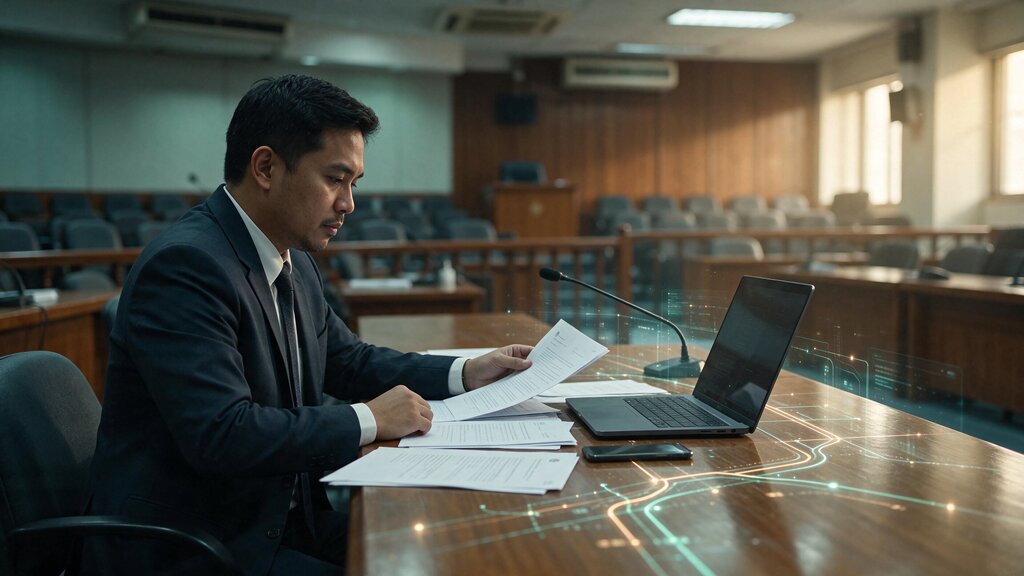
A Philippine gaming law firm says the country’s online gambling reforms can still be reversed overnight, and wants Congress to write them into law. The argument matters across Southeast Asia, where regulators in neighbouring markets such as Malaysia are leaning on website blocks and payment controls rather than licensing.
What Arden Consult said
Inside Asian Gaming reports that Arden Consult, a gaming law firm based in the Philippines, has called for a statute on online gaming to remove the risk of a sudden ban like those seen in India and Brazil. The view comes from a paper by the firm’s founder and CEO, Toney Quiogue, published on the Legal 500 platform. It calls the absence of a statute the most important gap in the regulation of online gaming in the country and says the reforms of the past year “are significant, but they can still be reversed.”
Why the current framework is fragile
Per the same report, the framework rests largely on the charter of the regulator PAGCOR, Presidential Decree No. 1869 as amended by Republic Act No. 9487, and on PAGCOR’s own issuances. The paper says those issuances improved the market but can be revised, deferred or challenged, and that the charter was not written with online gaming in mind.
What the proposed law would contain
The paper sets out what a statute should do. It should state which online activities may be licensed and by whom, the licence criteria, and the basis for fees and taxes. It should define offences covering not only illegal operators but also those who knowingly process payments for them, advertise them or recruit players. It should give the regulator clear powers to order site blocking, to direct banks and e-wallets to stop processing illegal gaming payments, and to work with the Anti-Money Laundering Council on tracing funds.
The author adds that website blocking alone has limited effect because illegal operators move to new domains, while payment channels are harder to replace. This is an opinion from a law firm, not government policy.
Reforms already in place
The paper credits PAGCOR with helping avoid calls by some politicians in 2025 for a total ban by introducing stricter rules. Those include full know-your-customer verification before a player can fund an account, a minimum playing age of 21, removal of gambling advertisements from billboards and primetime broadcasts, and mandatory self-exclusion tools. The firm says the Philippines chose regulation over a ban and could become a model for other emerging markets if Congress passes a law.
Market context
The call arrives as the sector shifts. Our report on Philippine gaming revenue in the third quarter covered the fall in e-gaming income. Separately, PAGCOR’s chairman said in August there were no plans to issue new online gaming licences, with licensee numbers down from 74 to 48, according to coverage of that statement. For the regulator’s own materials, see PAGCOR.
What readers should take from it
Nothing here changes the law for players today. No bill has been reported as filed, and the paper is a recommendation. It does show the direction of regional debate: enforcement is moving from blocking sites to cutting payment routes, and industry advisers want those powers set in statute rather than in regulator circulars.
Should online gambling rules sit in a national law or stay with the regulator? Share your view in the comments.
Frequently Asked Questions
Who called for an online gaming statute in the Philippines?
Arden Consult, a Philippines-based gaming law firm. The call appears in a paper by founder and CEO Toney Quiogue on Legal 500, as reported by Inside Asian Gaming.
Why does the firm want a law?
It says the current framework rests mainly on PAGCOR’s charter and its own issuances, which can be revised, deferred or challenged, so reforms could be reversed.
What sudden bans does the paper mention?
It refers to the bans seen in India and Brazil as examples of how quickly an industry can be shut down without a statute.
What law governs online gaming in the Philippines today?
According to the report, mainly PAGCOR’s charter, Presidential Decree No. 1869 as amended by Republic Act No. 9487, plus PAGCOR issuances.
What would the statute cover?
Licensable activities and who may hold licences, licence criteria, fee and tax basis, offences, and enforcement powers for the regulator.
Would payment processors be affected?
The paper proposes offences for those who knowingly process payments for illegal operators and powers to direct banks and e-wallets to stop such payments.
What reforms has PAGCOR already introduced?
Full KYC before funding an account, a minimum age of 21, removal of gambling ads from billboards and primetime broadcasts, and mandatory self-exclusion tools, per the report.
Has Congress filed or passed such a bill?
No bill was reported in the coverage reviewed for this article. The call is a recommendation.
Does this affect players in Malaysia, Singapore or Thailand?
Not directly. Those markets have their own laws. It is useful background on how regulators in the region are shifting toward payment-channel enforcement.
Where can I read the original?
The paper is on Legal 500 under Toney Quiogue, and Inside Asian Gaming published a summary on 9 November 2026.
Published by the SafeGamingSites editorial team. Need guest posts or niche-edit backlinks in iGaming? See iGaming Backlink. For iGaming SEO, see Mediardx.

 Slot Games Hub4 years ago
Pussy888 APK & iOS Download Malaysia 2026: Install, Login & Safety Guide
- Malaysia Casino Review4 years ago
12Play Casino Review Malaysia 2026 | Get Casino Bonus | SafeGaming
- Malaysia Casino Review4 years ago
WinClub88 Malaysia 2026: Login Guide, Bonus & Safety
- Singapore Casino Review4 years ago
12Play Review 2026: Is It Legal in Singapore? Bonus, Payouts & Safety
- Malaysia10 months ago
Online Casino Malaysia 2026: Trusted Sites, Laws & Safe Payments
- Singapore Casino Review4 years ago
BK8 Casino Review Singapore 2026: Is It Legit? Bonus, PayNow & Withdrawal Guide
- Singapore Casino Review4 years ago
MYBET88 Casino Singapore Review 2026 | SafeGaming
- Singapore Casino Review4 years ago
Is Maxim88 Legal in Singapore? 2026 Review, Bonus & Payouts